News & Offer Details
Why Adventure Trips Hold Educational Value
Adventure trips are often remembered as some of the most exciting experiences of the school year, but their value goes far beyond just a bit of fun. When carefully planned, adventure trips support classroom learning, help students develop essential life skills, and boost wellbeing in ways that are hard to achieve in a traditional classroom setting.
With packed schedules and curriculum demands, it’s natural for teachers to wonder whether adventure trips are worth the time and effort. Yet learning in an active, outdoor environment allows students to strengthen relationships, and they encourage personal growth through new experiences.
Bringing learning to life
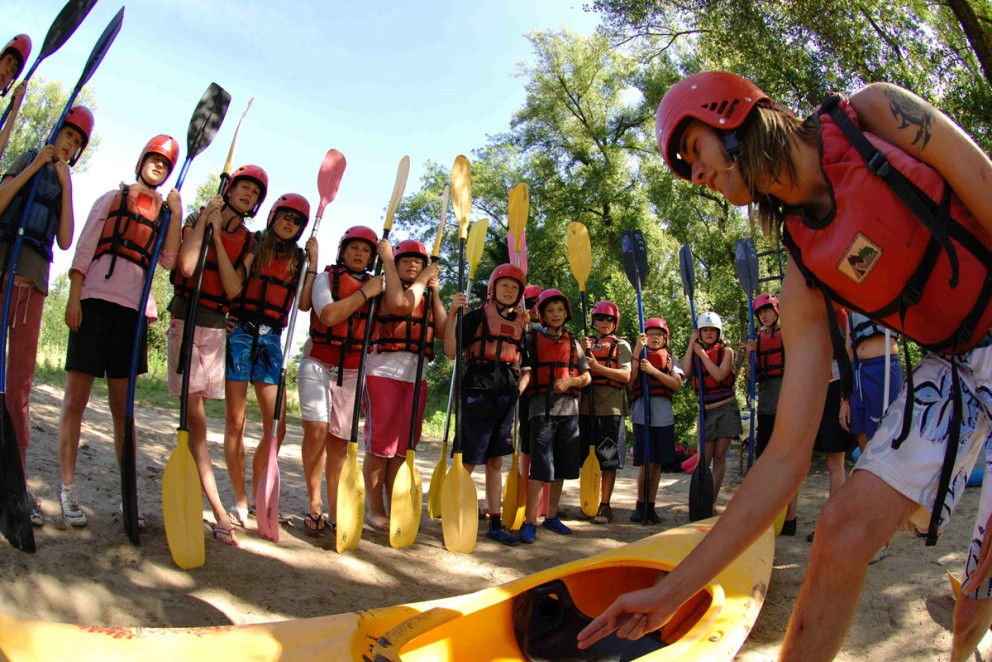
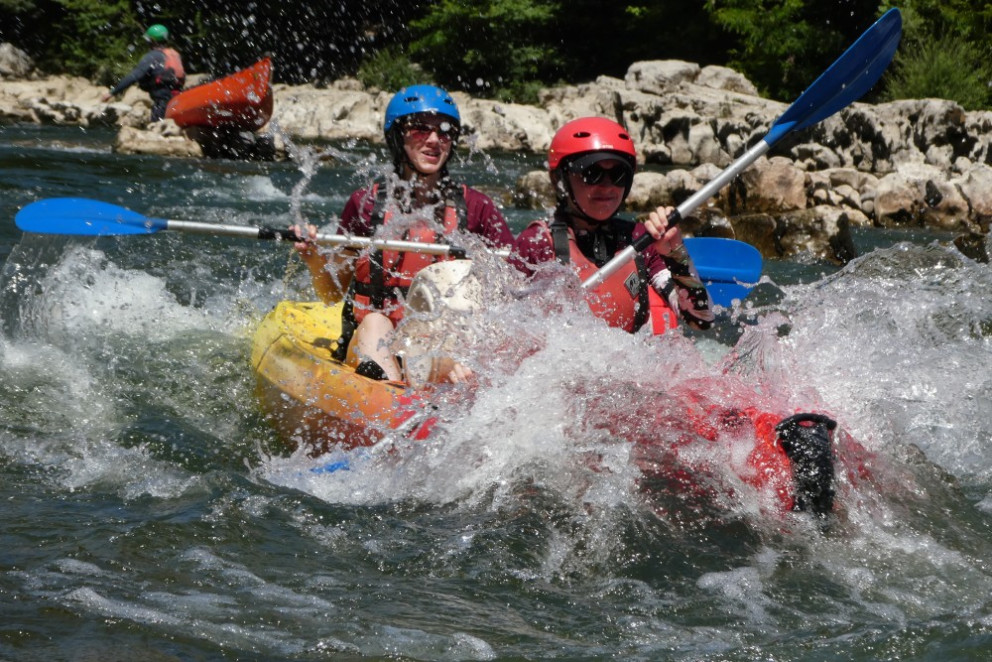
One of the key educational benefits of an adventure trip is that it makes learning tangible. Activities like kayaking, hiking, climbing, or problem-solving let students be active while doing activities they can’t do at school. Science comes alive when exploring rivers or forests, and geography or environmental studies gain real-world meaning through observation and hands-on tasks. These experiences help students connect knowledge to real life and improve understanding.
Adventure trips also cater to different learning styles. Students who struggle with text-based learning often thrive when learning is active and experiential. For many, these trips can boost confidence, engagement, and motivation back in the classroom.
Developing social and life skills
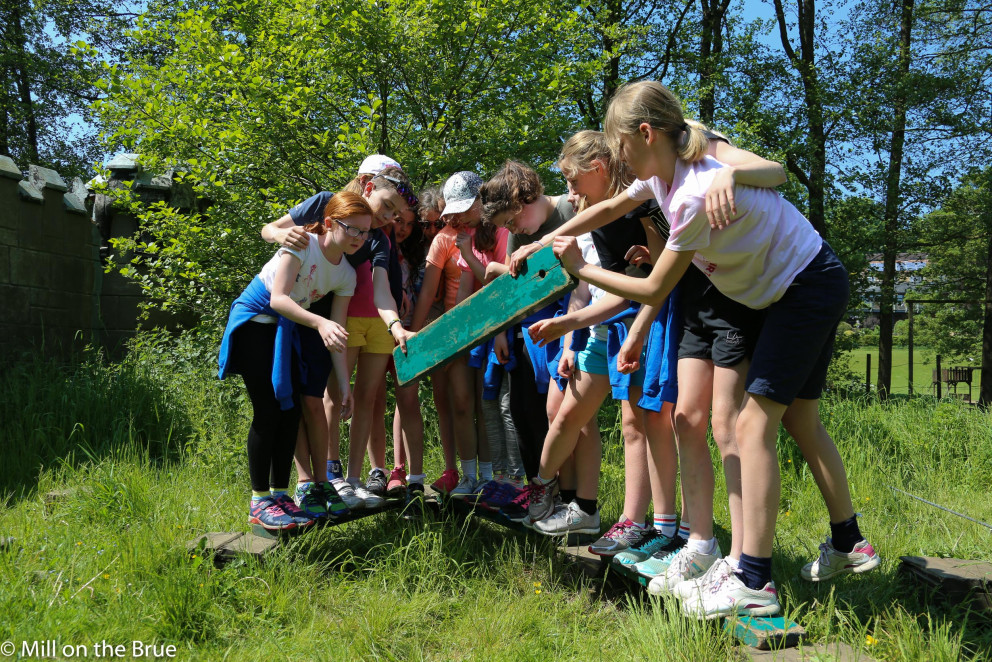
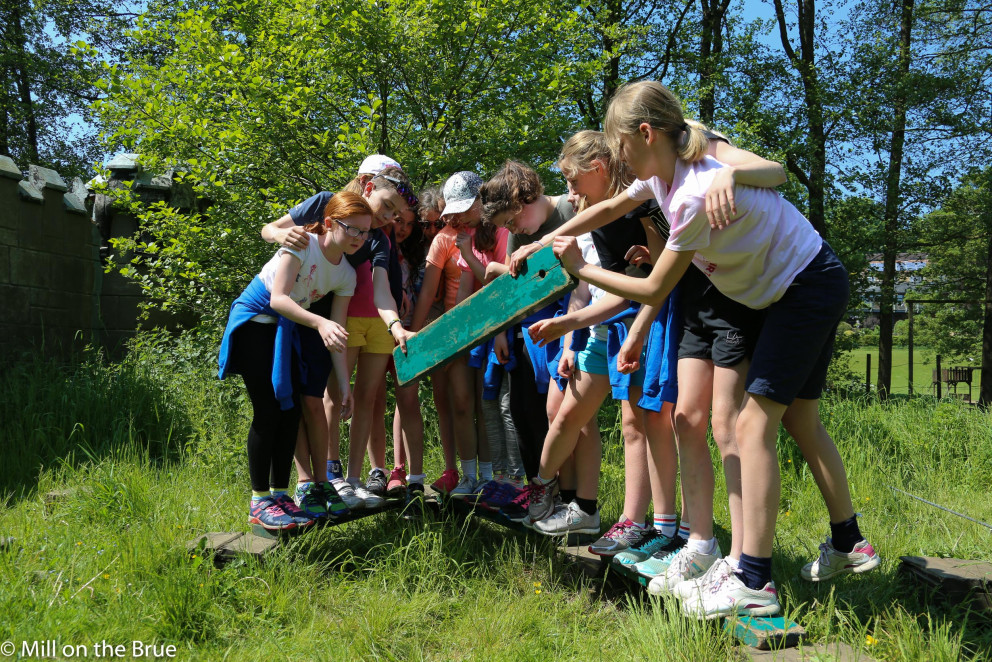
Adventure trips provide unique opportunities to develop skills that are difficult to teach indoors. Working as part of a team to navigate challenges, following safety procedures, and managing time under new conditions all encourage communication, cooperation, and problem solving.
Students often take on more responsibility during adventure trips, from looking after their equipment to supporting teammates and making decisions in unfamiliar environments. These experiences build independence, resilience, and self-confidence.
Spending time together outside the classroom also strengthens social bonds. Adventure school trips can break down barriers and encourage collaboration, and teachers often notice improved behaviour and teamwork following a well-organised adventure trip.
Supporting wellbeing and motivation
Learning through adventure can have a positive impact on wellbeing. Being active in outdoor environments, facing manageable challenges, and exploring new places can reduce stress, boost energy, and re-engage students who may feel disconnected from traditional learning.
Adventure trips also give students something to look forward to. This anticipation can improve attendance, focus, and behaviour in the lead-up to the trip. For many children, adventure trips provide experiences they may not otherwise access, making them especially meaningful and memorable.
Strengthening teacher-student relationships
Seeing students in new and challenging situations allows teachers to gain fresh insights. A reserved student may show confidence, while others display leadership in unexpected ways. Shared experiences help build trust and rapport, often improving classroom dynamics and creating a more positive learning environment.
Adventure trips are more than just exciting outings, they are powerful learning experiences that support academic progress, personal development, and wellbeing. While planning can feel challenging, the long-term benefits for both students and teachers are clear. That’s why Acorn Adventure can take care of the logistics, so you can focus on what matters most: your pupils.